
কিশোরী ও তরুণদের শিক্ষা এবং কর্মসংস্থান নিয়ে ব্রিটিশ কাউন্সিলের আয়োজনে সিম্পোজিয়াম
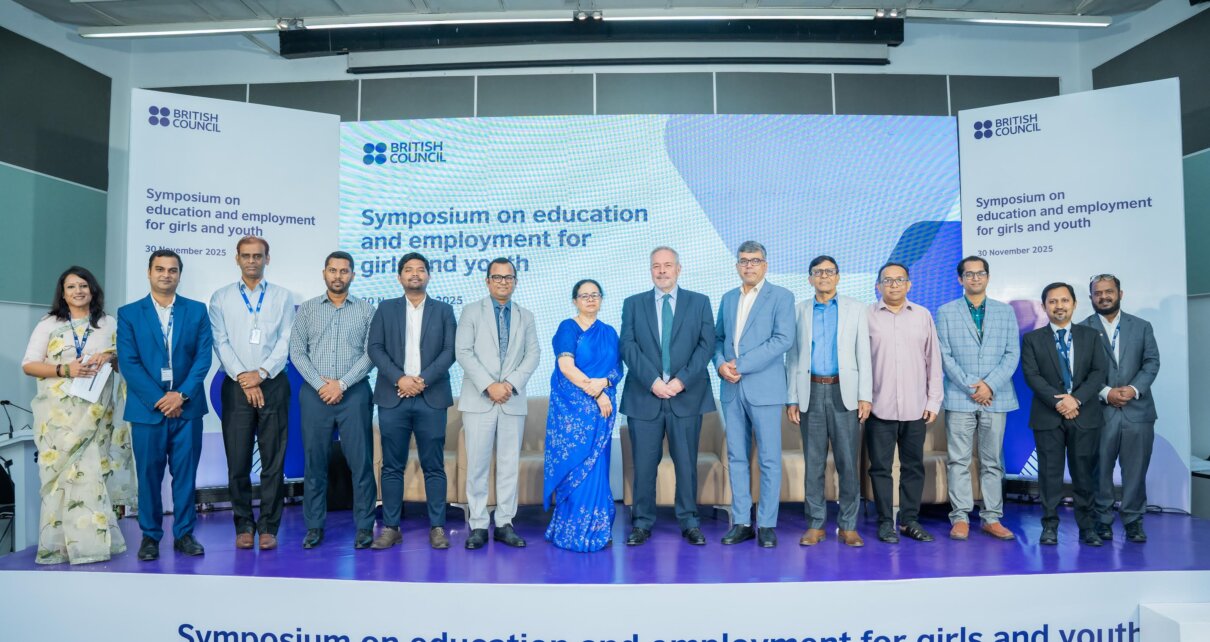
[ঢাকা, ০২ ডিসেম্বর, ২০২৫] কন্যা শিশু ও কিশোরীসহ তরুণদের শিক্ষা, দক্ষতা ও তাদের জন্য সুযোগ প্রাপ্তির সম্ভাবনা বৃদ্ধিতে সর্বোত্তম অনুশীলনীগুলো তুলে ধরতে আজ ঢাকার ফুলার রোডে এক সিম্পোজিয়াম আয়োজন করেছে ব্রিটিশ কাউন্সিল। সিম্পোজিয়ামে একে অপরের কাজ ও অভিজ্ঞতা সম্পর্কে বোঝাপড়া তৈরিতে সহযোগিতা ও পারস্পরিক শিক্ষার নতুন সুযোগ সৃষ্টি নিয়েও আলোচনা করা হয়।
‘ফ্রম ব্যারিয়ারস টু ব্রেকথ্রুস: আ সিম্পোজিয়াম অন এডুকেশন অ্যান্ড এমপ্লয়মেন্ট ফর গার্লস এন্ড ইয়ুথ’ শীর্ষক এ অনুষ্ঠানে শিক্ষা ও ব্যবসা খাতের নেতৃত্বস্থানীয় ব্যক্তিবর্গ, ঊর্ধ্বতন সরকারি কর্মকর্তা এবং বিভিন্ন জাতীয় ও আন্তর্জাতিক এনজিও এবং শীর্ষস্থানীয় থিঙ্ক ট্যাঙ্কের প্রতিনিধিরা একটি প্রানবন্ত ও অংশগ্রহণমূলক আলোচলায় অংশ নেন।
অংশগ্রহণকারীরা এ সময় তাদের চলমান বিভিন্ন প্রোগ্রামের অভিজ্ঞতা সম্পর্কে আলোচনা করেন। এছাড়াও, শিক্ষা ও কর্মসংস্থানের মধ্যে বিদ্যমান ব্যবধান নিয়ে আলোচনার এবং নারীরা সহ সকল তরুণদের শ্রেণিকক্ষের প্রাতিষ্ঠানিক শিক্ষা থেকে কর্মক্ষেত্রে প্রবেশের জন্য সমন্বিত পথ তৈরি করার বিভিন্ন উপায় বিশ্লেষণ করেন। কিশোরী ও তরুণীদের শিক্ষা এবং কর্মসংস্থানের জন্য যেসব ভালো উদ্যোগ নেওয়া হয়েছে, তা উদযাপন করা, পাশাপাশি, সংশ্লিষ্ট সবাই যেন একে অপরের অভিজ্ঞতা থেকে শিখতে পারেন এবং ভবিষ্যতে একসঙ্গে মিলে এই কাজগুলোকে আরও এগিয়ে নিতে পারেন—সেটাই ছিল এই আয়োজনের লক্ষ্য।
অনুষ্ঠানে প্রধান অতিথি হিসেবে উপস্থিত ছিলেন বেসরকারি প্রাথমিক শিক্ষা ব্যুরোর (বিএনএফই) মহাপরিচালক দেবব্রত চক্রবর্তী। অনুষ্ঠানে মূল বক্তব্য প্রদান করেন ব্র্যাক শিক্ষা কর্মসূচির সাবেক পরিচালক ড. শফিকুল ইসলাম।
প্রধান অতিথির বক্তব্যে দেবব্রত চক্রবর্তী বলেন, ‘বাংলাদেশে ৮ থেকে ১০ বছর বয়সী শিশুদের মধ্যে ৬.৭ শতাংশ শিশু কখনোই স্কুলে ভর্তি হয় না। প্রাথমিক থেকে উচ্চশিক্ষা—প্রতিটি স্তরেই মেয়েদের নানামুখী বাধার সম্মুখীন হতে হয়, যার ফলে নারীদের শ্রমশক্তিতে অংশগ্রহণের হার মাত্র ৪৪ শতাংশে আটকে আছে।’ তিনি আরও জোর দিয়ে বলেন, ‘শিক্ষা ও কর্মসংস্থান একে অপরের পরিপূরক। কোনো নারী বা মেয়েকে পেছনে ফেলে টেকসই উন্নয়ন সম্ভব নয়। এজন্য আমাদের স্কুল, স্বাস্থ্যসেবা ও সম্পদের সঠিক ব্যবহার নিশ্চিত করতে হবে এবং সরকারি-বেসরকারি খাতের মধ্যে শক্তিশালী সমন্বয় গড়ে তুলতে হবে।’
মূল প্রবন্ধে ড. শফিকুল ইসলাম বাংলাদেশের শিক্ষাখাতের বর্তমান চ্যালেঞ্জগুলো তুলে ধরেন। তিনি বলেন, বাংলাদেশের শিক্ষা ব্যবস্থার নিম্নমান, পর্যাপ্ত তথ্য-ব্যবহার না থাকা, অনুদান-স্বল্পতা, শিক্ষক সংকট এবং উচ্চহারে ঝরে পড়া শিক্ষার্থীর মতো যেসব গুরুতর চ্যালেঞ্জ রয়েছে, তার ওপর আলোকপাত করা হয়। এসব প্রতিবন্ধকতা মেয়েদের ক্ষেত্রে আরও প্রকট। অন্তর্ভুক্তিমূলক, ভবিষ্যতের জন্য প্রস্তুত শিক্ষা ও কর্মসংস্থানের সুযোগ নিশ্চিত করতে হলে দরকার বাড়তি বিনিয়োগ ও নতুন কৌশল। পাশাপাশি, আরও প্রয়োজন সরকার, সুশীল সমাজ ও বেসরকারি খাতের কার্যকরী অংশীদারিত্ব।
অনুষ্ঠানে ব্রিটিশ কাউন্সিলের কান্ট্রি ডিরেক্টর স্টিফেন ফোর্বস বলেন, “ ব্রিটিশ কাউন্সিলে কিশোরীদের শিক্ষা অন্যতম প্রধান অগ্রাধিকার হিসেবে বিবেচ্য। আমাদের ফ্ল্যাগশিপ প্রোগ্রাম ‘ইংলিশ অ্যান্ড ডিজিটাল স্কিলস ফর গার্লস’ এডুকেশন (ইডিজিই) কিশোরী ও নারীদের ভবিষ্যতের জন্য প্রয়োজনীয় নানা দক্ষতায় দক্ষ করে তুলতে ভূমিকা রাখছে। গত কয়েক বছরে আমরা হাজারও তরুণ নারীকে এসব দক্ষতা দিয়ে সক্ষম করে তুলেছি। আমাদের বিশ্বাস, তারা তাদের শিক্ষাগত সাফল্যকে অর্থবহ কর্মসংস্থান ও নিজেদের অর্থনৈতিক ক্ষমতায়নে রূপ দিবে। মেয়েদের ও তরুণ নারীদের ক্ষমতায়ন, লিঙ্গ বৈষম্য হ্রাস এবং অর্থনীতিকে আরও শক্তিশালী করতে আমরা সবাইকে নিজ নিজ অবস্থান থেকে সম্মিলিত কৌশল গ্রহণের আহ্বান জানাই।”
ব্রিটিশ কাউন্সিল, ব্র্যাক, প্ল্যান ইন্টারন্যাশনাল এবং ব্যুরো অব নন-ফরমাল এডুকেশনসহ শীর্ষস্থানীয় প্রতিষ্ঠানগুলো তাদের শিক্ষা, দক্ষতা ও সুযোগ বৃদ্ধির কার্যকরী অনুশীলন তুলে ধরে বিভিন্ন উপস্থাপনা প্রদান করে। পরবর্তীতে, অংশগ্রহণকারীরা বিষয়ভিত্তিক ব্রেকআউট সেশনে অংশ নিয়ে যৌথ চ্যালেঞ্জ মোকাবিলায় সহযোগিতার উপায়গুলো অনুসন্ধান করে দেখেন।
‘ফিউচার ডিরেকশনস ফর এমপাওয়ারমেন্ট’ শীর্ষক একটি প্যানেল আলোচনাও এ অনুষ্ঠানের অংশ ছিল। প্যানেল আলোচনা পরিচালনা করেন ব্রিটিশ হাই কমিশনের টিম লিডার এবং শিক্ষা উপদেষ্টা গোলাম কিবরিয়া। প্যানেলে উপস্থিত ছিলেন ক্যাম্পের (সিএএমপিই) নির্বাহী পরিচালক রাশেদা কে. চৌধুরী, বিএনএফই’র মহাপরিচালক দেবব্রত চক্রবর্তী এবং ইউনিসেফ বাংলাদেশের শিক্ষা ব্যবস্থাপক ইকবাল হোসেন।
রাশেদা কে. চৌধুরী বলেন, “ মেয়েদের শিক্ষার ক্ষেত্রে সহিংসতা, নিরাপত্তাহীনতা ও সুরক্ষা সংক্রান্ত উদ্বেগই হল সবচেয়ে বড় বাধা। এগুলোর সঙ্গে সমাজের প্রথাগত মানসিকতা ও সামাজিক-অর্থনৈতিক সমস্যাগুলো একসঙ্গে মিলে ঝরে পড়ার হার বহুলাংশে বাড়িয়ে দেয়। এখনও নারী ক্ষমতায়নের লক্ষ্যে নেয়া উদ্যোগ এবং মাঠপর্যায়ের বাস্তবতার মধ্যে বড় ধরনের নীতিগত ফাঁক রয়ে গেছে। সিদ্ধান্তগ্রহণকারীদের উচিত উদ্যোক্তা ও নিয়োগদাতাদের সাথে ঘনিষ্ঠভাবে যুক্ত হয়ে বুঝে নেওয়া যে, আগামী এক দশকে কোন দক্ষতাগুলো সবচেয়ে বেশি প্রয়োজন হবে; এবং পরবর্তীতে সে অনুযায়ী পদক্ষেপ নেয়া।’
তিনি আরও বলেন, “সরকার ও বেসরকারি প্রতিষ্ঠানগুলোর পাশাপাশি বেসরকারি খাতেরও উচিত করপোরেট সামাজিক দায়বদ্ধতা (সিএসআর) কার্যক্রমের অংশ হিসেবে মেয়েদের শিক্ষা ও কর্মদক্ষতা উন্নয়নে সক্রিয় ভূমিকা নেওয়া। এই সমন্বিত পদ্ধতি শিক্ষাক্ষেত্রে প্রবেশাধিকার বাড়াতে এবং নারীর টেকসই অর্থনৈতিক ক্ষমতায়নের পথ তৈরি করতে সহায়তা করবে।”
-End-
British Council hosts symposium on education and employment for girls and youth
[Dhaka, December 02, 2025] The British Council hosted a symposium focused on showcasing or sharing best practices for improving education, skills and access for young people, including young women and girls and creating opportunities for collaboration and mutual learning by deepening our understanding of each other’s work and expertise. The event took place on November 30 at the organisation’s Fuller Road auditorium in Dhaka.
The programme, titled “From Barriers to Breakthroughs: A Symposium on Education and Employment for Girls and Youth,” brought together education sector leaders, senior government officials, and representatives from NGOs, INGOs, academia, business, and leading think tanks under a dynamic and highly engaging platform for dialogue and collaboration.
Participants shared insights from their ongoing programmes, discussed persistent gaps between education and employment, and explored ways to build coordinated pathways that can help young women and youth transition from classrooms into meaningful work.
The symposium was the culmination of a recent mapping initiative undertaken by the British Council to get insights from organisations working on girls’ education and youth employment.
Debabrata Chakraborty, Director General of the Bureau of Non-Formal Education (BNFE), attended the event as Chief Guest, while Dr Safiqul Islam, former Director of the BRAC Education Programme, delivered the keynote address.
Addressing the event, Debabrata Chakraborty said, ‘In Bangladesh, reports indicate that 6.7% of children aged 8–10 never enrol in school, and girls face additional barriers at primary, secondary, and higher education levels—resulting in women’s workforce participation remaining low at only 44%. Education and employment are deeply connected. To touch the future and leave no woman or girl behind, we must invest in schools, healthcare, and resources, and ensure multi-stakeholder collaboration among government, civil society, and the private sector, working together.’
The keynote highlighted that Bangladesh’s education system faces critical challenges, including poor quality, inadequate data use, under-resourced areas, teacher shortages, and high dropout rates, especially among girls. To ensure inclusive, future-ready education and employment opportunities, increased investment, innovative strategies, and strong collaboration among government, civil society, and the private sector are essential.
Stephen Forbes, Country Director of the British Council, remarked, ‘At the British Council, girls’ education is one of our highest priorities. Our flagship programme, English and Digital Skills for Girls’ Education (EDGE), empowers young girls with future-ready skills to help them grow as a potential workforce. Over the last few years, we equipped thousands of young girls with these skills, and we believe they will translate their educational achievements into meaningful employment and economic empowerment. We urge everyone, from their respective positions, to come forward and adopt a collective strategy for a collective impact in empowering girls and young women, reducing the gender gap, and strengthening the economy.’
The symposium also featured presentations from leading organisations, including the British Council, BRAC, Plan International, and the Bureau of Non-Formal Education, showcasing effective practices in improving education, skills, and access for young people. Later, participants engaged in thematic breakout discussions to explore collaborative approaches to shared challenges.
The event featured a panel discussion on “Future Directions for Empowerment,” facilitated by Golam Kibria, Team Leader and Education Adviser at the British High Commission, with distinguished panellists including Rasheda K. Choudhury, Executive Director, CAMPE; Debabrata Chakraborty, Director General, BNFE; and Iqbal Hossain, Education Manager, UNICEF Bangladesh.
Rasheda K. Choudhury (Executive Director, CAMPE) remarked, ‘For girls’ education, violence against girls and concerns about safety and security remain the primary barriers. These issues, combined with traditional mindsets and socio-economic challenges, often lead to high dropout rates. There is also a significant policy gap between women empowerment initiatives and real-life field experiences. Decision-makers need to actively engage with entrepreneurs and employers to understand what skill sets will be essential over the next decade and address them accordingly.’
She also added, ‘Alongside government and non-government organisations, the private sector should also take an active role in prioritising girls’ education and employability skills as part of their Corporate Social Responsibility (CSR) initiatives. This collaborative approach can help bridge gaps in access to education and create sustainable pathways for women’s economic empowerment.’